Knowing which fire fighting equipment is fit for purpose can mean the difference between life and death. It can also save your business thousands of dollars in damages and regulatory fines.
Business fires are common in New Zealand. While Fire and Emergency New Zealand regularly attends to fires like these, you can potentially control a flame with the right equipment on hand.
What is Fire Fighting Equipment?
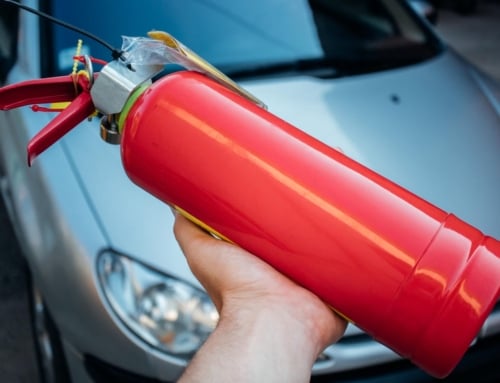
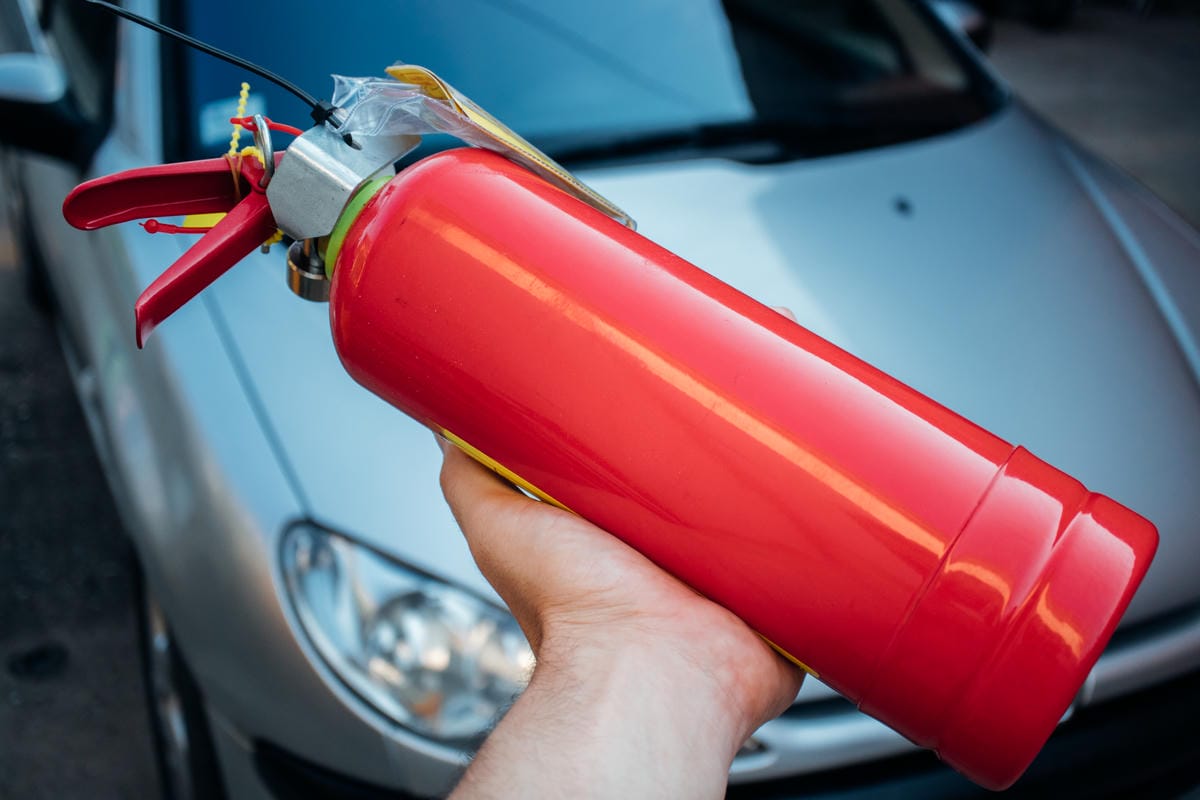
Fire fighting equipment is a range of tools and appliances that are designed to extinguish fires. When used correctly, this equipment will protect the operator from harm. There are many different types of fire fighting equipment, including portable extinguishers, professional fire fighting tools (FENZ), sprinkler systems, and alarms.
Types of Fire Safety Equipment for Businesses
Businesses can use and install many types of fire fighting equipment for managing different fire classes. To identify the right equipment for your building, conduct a risk assessment and identify the corresponding equipment. Depending on your building and work activities, you may need multiple types of fire equipment.
Most business buildings must have smoke alarms, and many must also have fire extinguishers or fire hose reels. Read our guide to New Zealand’s fire extinguisher requirements for more information.
Fire Extinguishers
 Fire extinguishers come in five types, distinguished by the colour on the canister. Each colour represents a different extinguishing agent. You should only use a fire extinguisher if the fire is smaller than a waste basket or stovepot; otherwise, call 111 and wait for the firefighters!
Dry Powder Fire Extinguishers (White)
Dry powder extinguishers come in BE and ABE forms. BE dry powder extinguishers are suitable for fires fuelled by flammable liquids, electrical fires, cooking fats and oils, or combustible gases.
ABE extinguishers can be used to combat all of these fires except cooking fats and oils. They are also suitable for fires involving paper, rubber, cloth, or wood (class A fires).
CO2 Fire Extinguishers
CO2 extinguishers are designed for electrical fires. They are ideal for offices, server rooms, laboratories, and other enclosed spaces with electrical equipment.
Wet Chemical Fire Extinguishers
Wet chemical extinguishers can be used on cooking oils and fats, as well as class A fires. Most restaurants, cafes, kitchens, and hotels should keep a wet chemical extinguisher on hand.
Foam Fire Extinguishers
Foam extinguishers can be used on class A fires and fires involving flammable liquids. They are suitable for some warehouses and storage facilities.
Water Fire Extinguishers
Water extinguishers are designed solely for class A fires, making them most suitable for libraries, retail stores, and schools, depending on the exact location. It’s important to avoid using this extinguisher type on fires involving electricity or flammable liquids.
Fire Hose Reels
Fire hose reels are designed to combat class A fires (combustible solids such as paper, fabric, and wood). As water is a conductor of electricity, you must not use fire hose reels on electrical fires.
Fire Blankets
Fire blankets are mainly designed for kitchen fires, i.e., class F fires (cooking oils and fats). Fire blankets can also be used to stop clothing fires; if someone is on fire, wrapping a blanket around them can cut off the flame’s oxygen supply.
Sprinklers
As an additional line of defence, many commercial buildings have their own sprinkler systems. These systems can be activated by a number of things, depending on the type of sensor. Traditionally, sprinkler systems can detect smoke, temperature, or both.
Fire Alarms
You need to have functioning smoke detectors and alarms in every building – domestic, commercial, or otherwise. Early detection is the key to evacuation and fast action against a fire in its early stages. Fire alarms don’t prevent fires directly, so it’s best to have other fire fighting equipment on-site.
Commercial building fire alarms can connect to Fire and Emergency New Zealand’s national automatic fire alarm system. This automatically notifies FENZ Communications Centres when a fire alarm goes off, allowing firefighters to respond quickly with your building information on hand.
To connect a fire alarm, you can contact an Automatic Fire Alarm Service Provider (AFASP).
Professional Fire Fighting equipment
Fire and Emergency New Zealand (FENZ), have a range of professional tools they use to combat fire. There is some cross-over with civilian equipment, and some industry-specific equipment.
FENZ uses some of the following items:
- fire fighting trucks
- fire fighting clothing (suits, fire-resistant shoes, breathing apparatus)
- high-pressure hose reels
- ladders, axes, sand and water buckets
Make Sure Your Fire Fighting Equipment is Properly Maintained
Once you have the right fire fighting equipment for your workplace fire risks, you’ll need to keep it continually maintained.
If you own or operate a business in New Zealand, you are obligated to conduct regular inspections of your hand-operated fire safety equipment. Regular testing ensures your employees have access to functional equipment whenever they need it.
Jim’s Fire Safety provides in-depth inspections for fire extinguishers, fire hose reels, and fire blankets across New Zealand. Our experts work all over the country, so no matter where your business operates, we can help you stay prepared for an emergency.
Call us at 0800 454 654 or fill in the online form for a free, no-obligation quote!