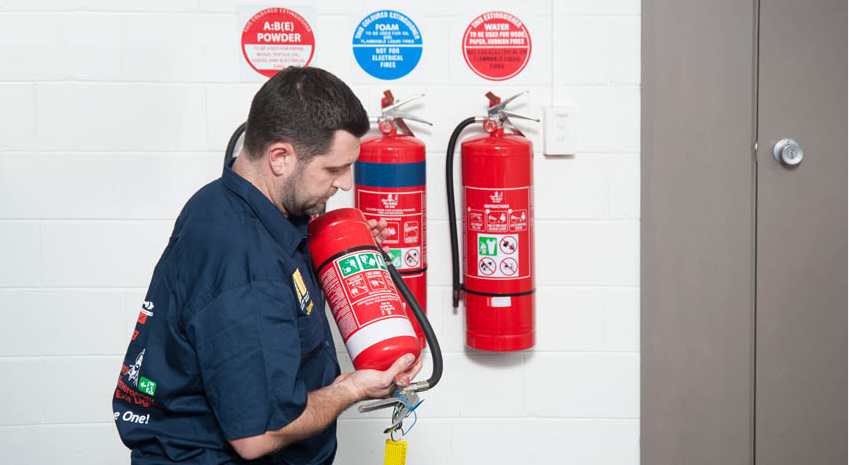
Fire extinguishers are designed to be used quickly and often in stressful conditions. When smoke fills the room and visibility drops, being able to recognise the correct fire extinguisher at a glance can make a real difference to safety.
Colour-coded fire extinguishers quickly help people identify which one to use. That matters just as much in homes as in office buildings, hotels, and commercial kitchens, where using the wrong fire extinguisher type can make a situation worse rather than better.
If you’re wondering how to spot the difference between types of fire extinguishers, we’re here to help break it down.
Fire extinguisher colour coding standards in New Zealand
Not all fires behave the same way, and not all fire extinguisher types work on every fire. That’s why fire safety standards classify fires into different categories based on what’s burning.
In New Zealand, the colour codes on fire extinguishers are governed by AS/NZS 1841, which closely aligns with international standards such as BS EN 3. While the cylinder itself is red, the colour band identifies the extinguishing agent.
These are the most common extinguisher colour codes used in NZ:
Classes of Fire and Extinguisher Types
| Band color | Extinguisher type | Fire class |
|---|---|---|
| No band | Water fire extinguisher | Class A fires |
| Blue band | Foam fire extinguisher | Class A and Class B fires |
| White band | Dry powder fire extinguisher | Class A, B, and E fires |
| Black band | Carbon dioxide (CO2) fire extinguisher | Class B and E fires |
| Beige/oatmeal band | Wet chemical extinguishers | Class F fires and some Class A fires |
Always check the label on the extinguisher to confirm the specific fire classes it’s approved for and any necessary safety warnings.
Fire safety regulations and compliance in NZ
Workplaces and public buildings in New Zealand must meet specific fire safety requirements under the Fire and Emergency New Zealand regulations. This includes:
- Installing the correct type of fire extinguisher for the hazards present
- Ensuring extinguishers are clearly identified, correctly mounted, and accessible
- Maintaining equipment through regular inspection and servicing
Common risks and misuse
Using the wrong type of fire extinguisher can be dangerous and, in some cases, worsen the situation.
Common risks include:
- Using water or foam fire extinguishers on fires involving electrical equipment, which can create serious shock hazards
- Using carbon dioxide (CO₂) fire extinguishers in enclosed spaces without proper awareness, as they displace oxygen and can reduce breathable air
- Using dry powder extinguishers in sensitive environments where residue causes damage
- Applying an extinguisher designed for one class of fire to a different type, allowing the fire to spread or re-ignite
Understanding extinguisher colour codes and fire classes helps reduce these risks and ensures the extinguisher used matches the hazard present. When in doubt, evacuate and call emergency services rather than guessing.
Tips for choosing and maintaining fire extinguishers
Choosing the right fire extinguisher type starts with understanding the risks in your space. A home kitchen, a workshop, and a computer server room each require different levels of protection.
Good practice includes:
- Matching the extinguisher type to the fire risk
- Installing extinguishers where they’re easy to see and reach
- Scheduling regular inspections and servicing
- Replacing extinguishers that are damaged, expired, or unsuitable
Remember the colours and stay prepared
Fire extinguisher colour codes help you make quick, safe decisions during an emergency. Knowing what the colours mean helps reduce hesitation, misuse, and unnecessary risk.
Take a moment to check the extinguishers in your home or workplace. Make sure the colour codes match the hazards present and that servicing is up to date.
Jim’s Fire Safety inspects and maintains fire extinguishers in line with New Zealand standards, helping ensure your fire equipment is correctly identified, compliant, and ready to use. Get a free quote today and stay prepared.