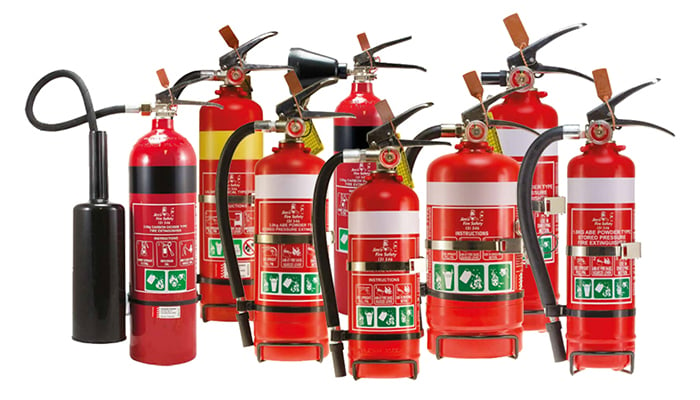
Nobody wants to have to use a fire extinguisher, but when a fire breaks out, you absolutely need your equipment to work.
Regular inspections help ensure your extinguishers are fully functional, compliant with New Zealand fire safety requirements, and ready to protect people and property during an emergency.
Read on to understand what affects the cost of a professional fire extinguisher inspection.
Why fire extinguisher inspections are important
Under the Fire and Emergency New Zealand (Fire Safety, Evacuation Procedures, and Evacuation Schemes) Regulations 2018, whoever owns hand-operated firefighting equipment must maintain it to the NZS 4503:2005 standard. Hand-operated firefighting equipment includes portable fire extinguishers, fire hose reels, and fire blankets.
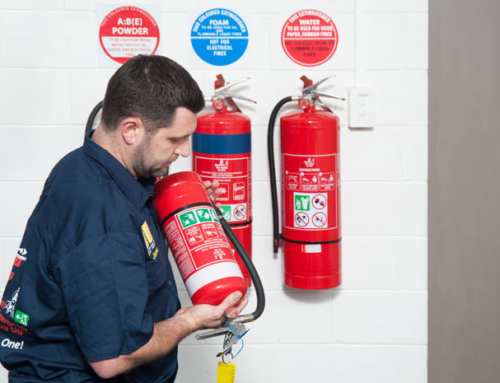
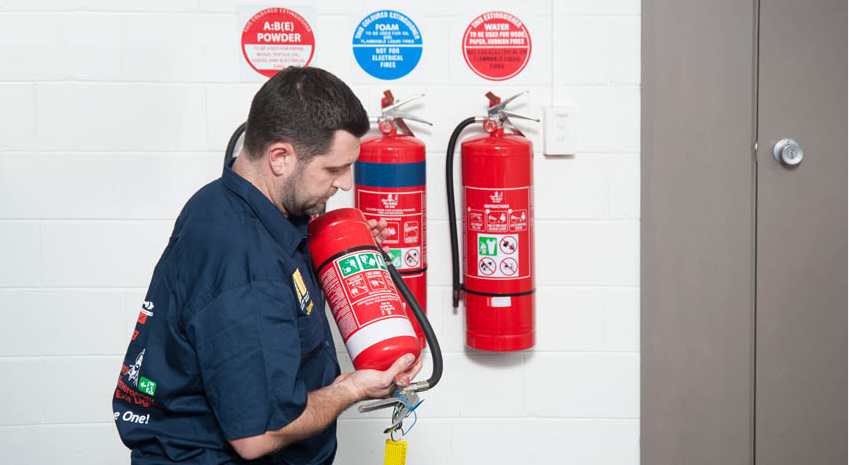
NZS 4503:2005 requires fire extinguishers to be inspected every year. Inspections confirm that each fire extinguisher maintains the correct pressure, shows no signs of corrosion or damage, and remains appropriate for the fire risk in its location. A fire extinguisher can appear fine on the wall, but still fail due to pressure loss, a blocked hose, or internal faults that aren’t visible without proper testing.
Missing inspections can create problems for building owners and tenants, including compliance breaches, insurance complications, or issues during audits or after an incident. Regular inspection and maintenance provide clear evidence that fire safety responsibilities are being actively managed.
What affects the cost of fire extinguisher inspection prices in NZ?
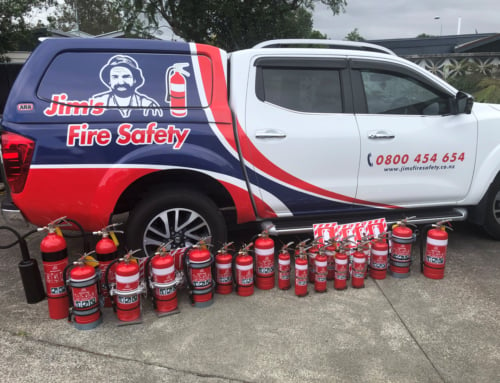
At Jim’s Test Fire Safety, we offer fire equipment testing services for companies and building owners across New Zealand. Our fire extinguisher inspection includes in-depth testing, updating the service tag, and reporting. The cost of this inspection can be affected by:
- Number of fire extinguishers: The inspection price includes a site visit or call-out fee, followed by a per-extinguisher charge.
- Urgency of inspection: Planned annual inspections are generally more cost-effective than one-off or urgent call-outs.
- Repair and recharge: If a unit is damaged, showing corrosion, has pressure issues, or has a faulty hose or gauge, it may require repair or replacement at an additional cost. If a unit has been previously used, it requires recharging, also priced separately.
- Non-routine servicing: Costs can be higher when non-routine servicing is due. For example, some types of fire extinguishers require mandatory testing outside the usual annual inspection.
Need a fire equipment inspection ASAP? Get a free quote from your nearest Jim’s provider.
Consequences of non-compliance
Small gaps in inspection or maintenance can have serious consequences for safety and compliance. If a fire extinguisher fails during an emergency because it wasn’t properly inspected or tested, the consequences can include property damage, risks to employees and members of the public, and potential legal exposure.
Ensuring your fire equipment is inspected annually helps demonstrate that you have taken reasonable steps to meet your fire protection obligations.

DIY vs professional inspections
Fire extinguishers must be inspected by a “competent person”—an individual with relevant training and experience in fire safety equipment. While you can carry out quick visual checks without training, working with a professional fire extinguisher service ensures safety and compliance.
Professional inspectors have the training, knowledge, and experience required to test and maintain fire extinguishers in accordance with NZS 4503:2005.
This includes checking pressure, internal condition, seals, service tags, and confirming the extinguisher remains suitable for its location and fire risk, with results properly recorded for compliance.
The team at Jim’s Fire Safety is trained to inspect, repair, and recharge fire extinguishers so you can correctly comply with fire protection requirements. We record tests within our online data management system, meaning compliance reports are readily accessible when you need them.
How often should fire extinguishers be inspected?
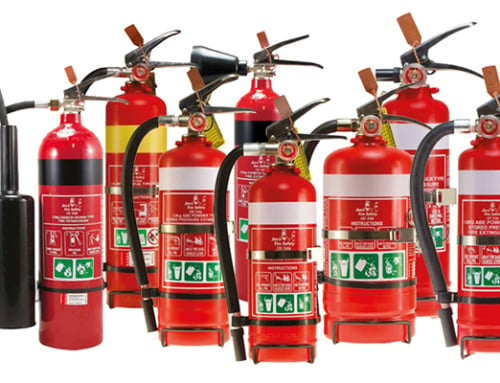
Under NZS 4503:2005, portable fire extinguishers must be inspected annually in normal environments. This annual inspection is often referred to as a basic inspection and applies to all fire extinguisher types.
In hostile or higher-risk environments, such as workshops or industrial sites, extinguishers may need to be inspected every six months. These shorter intervals help identify wear or damage before it affects performance.
All fire extinguishers require a hydraulic pressure test every five years. Wet chemical and foam fire extinguishers require an extended service every three years, in addition to their annual inspection.
Choose Jim’s Test Safety for fire extinguisher inspection services
When selecting a provider, look for companies with trained technicians, clear reporting, and strong knowledge of New Zealand fire protection requirements. Transparent pricing, proper service tags, and accurate records are essential for compliance and peace of mind.
Jim’s Fire Safety provides professional fire extinguisher inspection and maintenance services across New Zealand. Our technicians inspect fire extinguishers in line with current standards, with clear reporting and reminders to help you stay compliant. Contact us today for a free quote.