What do you do with a fire extinguisher when you’re done with it?
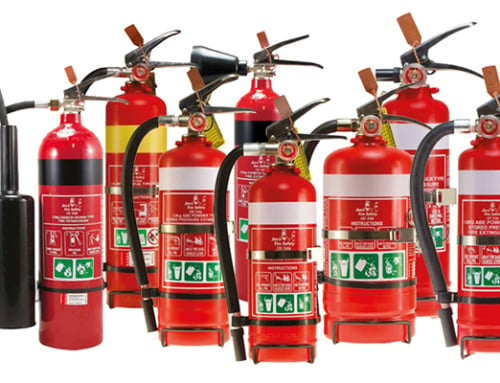
Fire extinguishers are pressurised safety items filled with gases or chemicals, so you can’t just toss them in the bin when you’re done. Safe disposal protects people from injury, reduces environmental harm, and ensures old equipment doesn’t become a hidden fire risk.
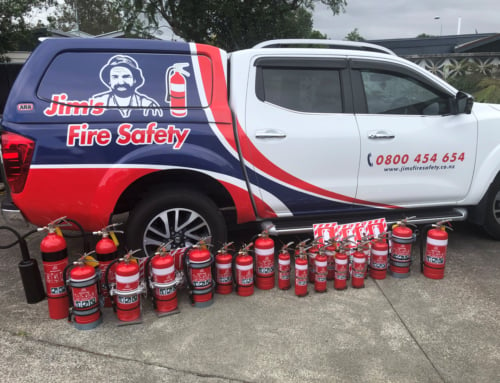
Find out everything you need to know about fire extinguisher disposal with Jim’s Fire Safety.
What Do You Do With Used Fire Extinguishers?
Did you know that you can keep using an extinguisher if it is still in good condition?
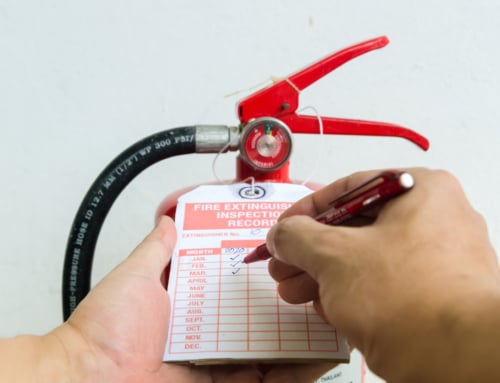
You can use your device over and over again after pressure tests and refills. All you need is to organise a fire extinguisher inspection from Jim’s Fire Safety.
If you’re not sure whether your extinguisher is ready for disposal, simply contact our team. We will send a professional technician to inspect your cylinder to make sure it is safe to use. If they decide it is safe, the technician can refill it and you can reuse your extinguisher.
How to Dispose of Fire Extinguishers
Disposal is usually only necessary when an extinguisher has expired, is heavily corroded, or when components such as a ripped hose, cracked nozzle, missing tamper seal, or wobbly handle make it unsafe to use.
If you are sure your extinguisher can’t be salvaged, you can either recycle or dispose of your fire extinguisher.
Fire Extinguisher Recycling
You can recycle most fire extinguishers once you’re done with them. But don’t put them in the regular recycling bin — fire extinguishers are classified as hazardous waste, so you should drop them off at a transfer station instead. You can find an appropriate station on your local council’s website.
Before you head to the recycling facility, make sure the extinguisher is completely empty. Don’t try to flatten or crush it — it’s fine as is.
Yellow or Halon Fire Extinguisher Disposal
Fire extinguisher disposal is necessary if you have a yellow or halon fire extinguisher. These types of fire extinguishers are illegal and can have damaging environmental effects when used.
To get rid of these fire extinguishers, return them to your supplier.
How to Safely Decommission a Fire Extinguisher
Decommissioning a fire extinguisher means making it safe for transport, recycling, or disposal. Extinguishers are pressurised, and incorrect handling can cause sudden discharge, releasing chemicals that may irritate the skin or cause injury.
At a high level, decommissioning involves safely releasing pressure, confirming the unit is empty, and clearly identifying it as out of service. This is typically handled by trained technicians or managed through council-approved or commercial disposal services.
How to Dispose of Fire Extinguisher Powder
If you have leftover residue after using a fire extinguisher, you need to clean up the area to avoid inhalation and damage to your property.
If you used a dry powder fire extinguisher, follow these steps:
- Vacuum the loose residue
- Clean the area with soap and water
- Dispose of the powder in a plastic bag in the bin
Most extinguishing agents aren’t harmful and can be handled by anyone who wants to clean them up. If you aren’t sure about how to dispose of residue, contact your local fire station for more advice.
More About Fire Extinguisher Disposal
Why can’t I just throw away a fire extinguisher?
Once a fire extinguisher reaches the end of its life, it’s classed as a hazardous item. Most units contain a pressurised cylinder and extinguishing agents that can leak or discharge if mishandled. Crushing, compacting, or exposing an extinguisher to heat can cause it to rupture unexpectedly, which is why fire extinguishers can’t go in general rubbish or recycling bins and must be disposed of through approved channels.
Improper disposal also creates environmental risks. Chemicals released into soil or waterways can cause harm, and some older extinguisher types are now illegal to use due to their environmental impact.
For businesses, disposal is part of managing fire safety equipment responsibly. Incorrectly discarding fire extinguishers can result in compliance issues or fines, making proper disposal as important as correct installation and maintenance.
How much does fire extinguisher disposal cost?
Disposal costs for fire extinguishers in New Zealand vary depending on where they’re taken and whether the disposal is residential or commercial. Many councils accept extinguishers at transfer stations, sometimes at low or no cost for households. Businesses or bulk disposals may incur a per-item hazardous item fee, which differs by council and facility.
Stay Safe and Dispose Responsibly
Reviewing your fire safety equipment or planning replacements?
Jim’s Fire Safety technicians inspect fire extinguishers, flag units that are no longer serviceable, and guide you through the next steps to keep your site compliant with New Zealand standards.